You're not imagining it—stress really does kill erections. And for men over 40 juggling career pressures, family responsibilities, and financial concerns, chronic stress may be the hidden factor undermining sexual performance.
Here's the science behind the connection and what you can do about it.
The Biology of Stress and Erections
When you experience stress, your body activates the sympathetic nervous system—the "fight or flight" response. This triggers:
Cortisol release: The primary stress hormone that stays elevated with chronic stress
Adrenaline surge: Diverts blood away from non-essential functions (including erections)
Testosterone suppression: Cortisol directly inhibits testosterone production
Nitric oxide reduction: Stress impairs the molecule essential for erections
This system evolved for short-term survival situations. The problem? Modern stress is chronic and unrelenting.
How Chronic Stress Creates ED
The Hormonal Cascade
- Chronic stress → Elevated cortisol
- High cortisol → Suppressed testosterone
- Low testosterone → Decreased libido and erectile function
- ED → More stress and anxiety
- Cycle repeats and worsens
Studies show chronically stressed men have testosterone levels 15-20% lower than relaxed counterparts.
The Vascular Impact
Chronic stress:
- Damages blood vessel lining (endothelium)
- Reduces nitric oxide production
- Causes inflammation
- Contributes to arterial stiffness
All of these directly impair erectile function. Learn more about the role of nitric oxide in erections.
The Psychological Spiral
Performance anxiety creates its own stress response:
- Worrying about performance triggers adrenaline
- Adrenaline diverts blood from the penis
- The erection fails or weakens
- Failure increases anxiety for next time
- The problem becomes self-perpetuating
Recognizing Stress-Related ED
Signs that stress is your primary issue:
- ED appeared during a stressful life period
- You still get morning erections (indicating hardware works)
- Performance improves on vacation or when relaxed
- ED is situational (certain partners, settings)
- You experience performance anxiety beforehand
- Other stress symptoms present (sleep issues, irritability, muscle tension)
Breaking the Stress-ED Cycle
Immediate Strategies
Deep breathing before intimacy: 5 minutes of slow, diaphragmatic breathing activates the parasympathetic nervous system—the "rest and digest" mode necessary for erections.
Mindfulness and presence: Anxiety lives in future-thinking. Focus on physical sensations in the moment.
Communication with your partner: Discussing pressure openly often relieves it significantly.
Daily Stress Management
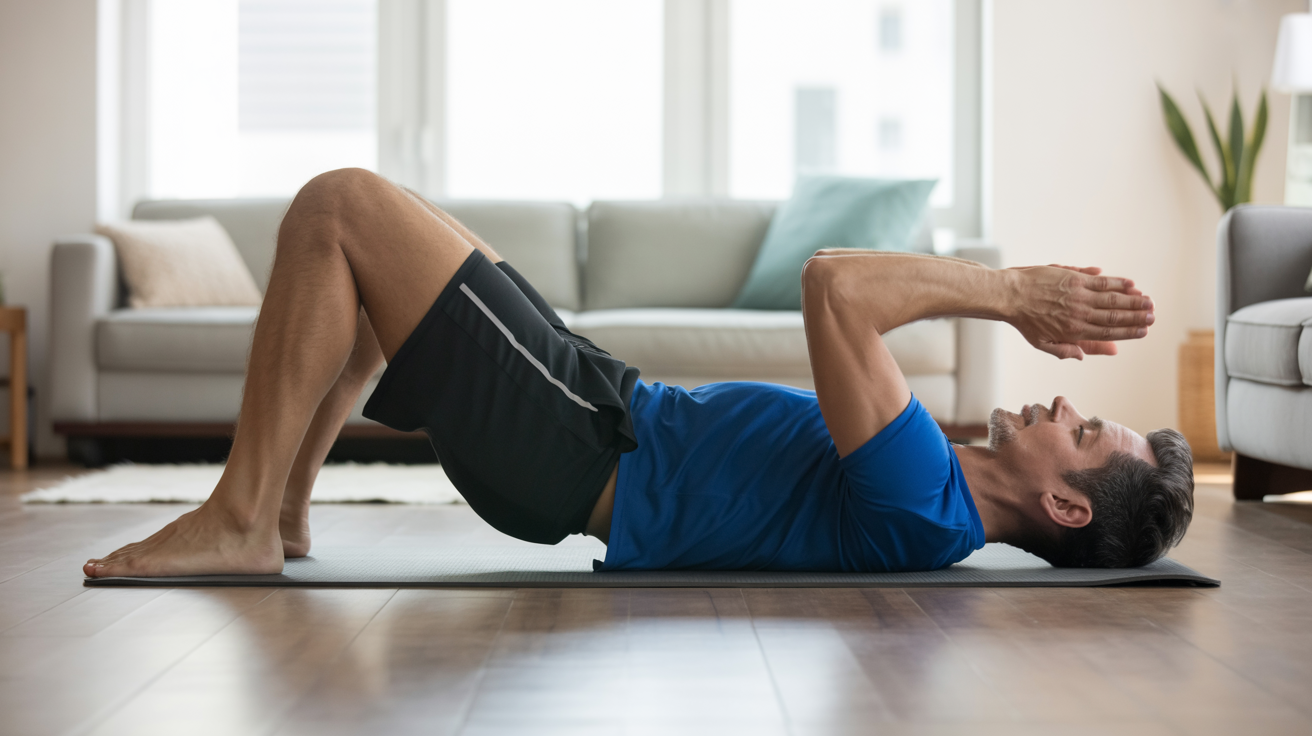
Regular exercise: 30 minutes of moderate activity reduces cortisol and boosts testosterone. Even walking helps.
Sleep prioritization: 7-9 hours nightly. Sleep deprivation elevates cortisol dramatically.
Meditation or mindfulness practice: Even 10 minutes daily rewires stress response over time.
Time in nature: Studies show natural environments rapidly lower cortisol.
Social connection: Meaningful relationships buffer stress hormones.
Lifestyle Modifications
Limit stimulants: Caffeine after 2pm, excessive alcohol, energy drinks all elevate cortisol.
Screen boundaries: Blue light and constant connectivity keep stress hormones elevated.
Say no more often: Overcommitment is a major modern stressor.
Supplements That Address Stress-Related ED
Several natural compounds help break the stress-ED cycle:
Ashwagandha (KSM-66): This adaptogen is clinically proven to reduce cortisol by up to 30% while boosting testosterone. It's the star ingredient in Testosil.
Ginseng: Adaptogenic herb that helps modulate stress response while supporting erectile function.
L-Theanine: Promotes calm alertness without sedation.
Testosil combines KSM-66 Ashwagandha with testosterone-supporting nutrients—addressing both stress and hormone optimization.
For performance support during the recovery process, VigRX Plus provides clinically-studied erectile support that works regardless of the underlying cause.
When Stress Isn't the Only Factor
Stress often combines with other issues:
- Low testosterone (stress accelerates decline)
- Cardiovascular factors (stress damages vessels)
- Relationship problems (stress both causes and results from them)
Addressing all contributing factors produces best results. Explore our comprehensive guide to natural ED remedies.
Professional Support Options
If self-help strategies aren't enough:
Cognitive Behavioral Therapy (CBT): Highly effective for performance anxiety
Sex therapy: Specifically addresses intimacy-related stress
Couples counseling: When relationship stress is central
Medical evaluation: Rule out physical factors contributing to the problem
The Recovery Timeline
Stress-related ED is highly treatable. Expect:
- Week 1-2: Implementing stress management techniques
- Week 2-4: Beginning to see reduced baseline anxiety
- Week 4-8: Noticing improved sexual response
- Month 2-3: Significant improvement in most cases
Supplements like Testosil show optimal effects after 8-12 weeks of consistent use, aligning well with this recovery timeline.
The Bottom Line
Stress-related ED is real, common, and treatable. The key is breaking the cycle—reducing chronic stress while rebuilding confidence.
Combine stress management practices with targeted supplementation, and most men see significant improvement within 2-3 months.
Remember: if you're getting morning erections, your equipment works. The issue is your nervous system's stress response—and that's absolutely something you can change.
Related Articles: